From Tree to Bar: The Secret to Selecting Cacao Pods for High-Quality Chocolate Bars
The tree to bar process begins long before chocolate reaches your hands. In fact, it starts in the cacao grove, where the selection of each cacao pod determines the ultimate quality of the chocolate bar. Furthermore, at MYNA Chocolate Bali, this selection process is the cornerstone of everything we do. As a result, only the finest cacao pods ever make it into our production line.
What Is the Tree to Bar Process?
The tree to bar process refers to the complete journey of cacao — from cultivation and harvesting all the way to the finished chocolate bar. Unlike conventional chocolate production, this approach gives the maker full control over every step. Furthermore, it ensures transparency, traceability, and a direct relationship with the farmers who grow the cacao. As a result, tree to bar chocolate typically delivers a far superior flavor profile compared to mass-produced alternatives.
How to Identify a Quality Cacao Pod
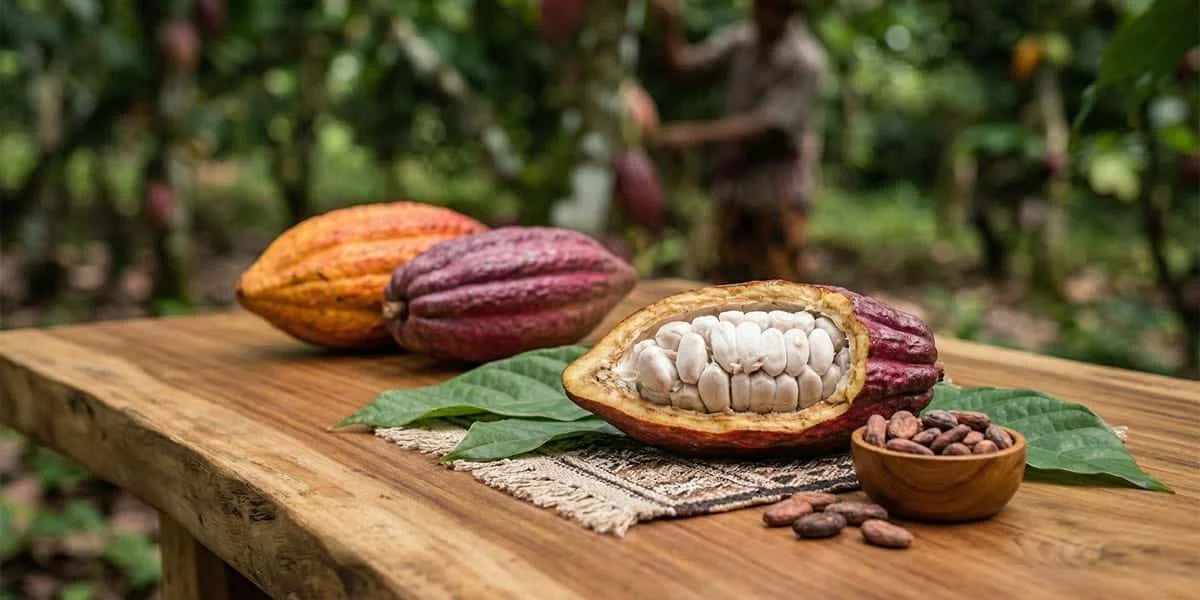
Selecting the right cacao pod is both a science and an art. First, the pod must be fully ripe — indicated by a change in color from green to yellow, orange, or red depending on the variety. Furthermore, a ripe pod produces a hollow sound when tapped gently. In addition, the pod should be free from visible signs of disease, mold, or pest damage. As a result, experienced harvesters can assess pod quality in seconds simply by looking, tapping, and feeling the surface.
The Role of Pod Maturity in Chocolate Flavor
Pod maturity has a direct impact on the flavor potential of the cacao beans inside. For example, beans from under-ripe pods tend to produce chocolate with sharp, unpleasant acidity. On the other hand, beans from over-ripe pods may result in off-flavors and fermentation issues. Therefore, harvesting at precisely the right moment is critical. Furthermore, this requires farmers to visit their groves frequently and make careful assessments rather than harvesting in bulk on a fixed schedule.
Harvesting Techniques That Protect Quality
Proper harvesting technique is equally important to pod selection in the tree to bar process. First, pods must be cut from the tree using a sharp machete or pruning hook — never pulled, as this can damage the cushion from which future pods grow. Furthermore, pods should be collected and opened within a few days of harvesting to prevent spoilage. In addition, the beans must be carefully separated from the placenta and pulp before fermentation begins. As a result, each step demands precision and respect for the cacao plant.
MYNA’s Commitment to the Tree to Bar Process
At MYNA Chocolate Bali, our tree to bar process is built on close partnerships with young Indonesian farmers. Furthermore, we train our partner farmers in pod selection, harvesting technique, and post-harvest handling. In addition, we conduct regular farm visits to ensure quality standards are consistently met at the source. As a result, the cacao beans that arrive at our Denpasar factory are among the finest available in Indonesia. Therefore, every MYNA chocolate bar you enjoy carries the authentic taste of Indonesian cacao at its very best.
Conclusion
The tree to bar process is a testament to the belief that great chocolate starts with great farming. Furthermore, by understanding how cacao pods are selected and harvested, we develop a deeper appreciation for the craft behind every bar. Therefore, the next time you enjoy a piece of MYNA chocolate, remember the journey it has taken — from a cacao tree in the Indonesian countryside to the bar in your hands. In addition, we invite you to visit our Bali Chocolate Factory in Denpasar to witness this remarkable process firsthand.